
you've done the markets. you know your regulars. you know which piece is gone by noon. you could set up your table with your eyes closed.
and at some point, someone said it. "you should be in a store."
maybe you laughed. maybe it's been living in your head rent free ever since.
so here's the honest version, from the people who run one.
we're Daydream Factory, a store in South Granville that's home to 100 independent brands. every day we watch people walk in, wander, pick things up, put things down, and fall for stuff they didn't know existed. we see which shelves stop people and which ones they walk right past. and honestly, the difference is almost never the product. it's the small stuff around it.
this journal is where we write that stuff down. no fluff, no jargon. just what we see on the shop floor and what we'd tell you if you were standing next to us at the till.
first up: what actually changes when you go from a market table to a shelf. spoiler, it's less than you think, and most of it works in your favour.
your shelf can't talk
at a market, you're the best salesperson your brand will ever have. you tell people how it started. you hand them the candle to smell. you laugh about the batch that came out lopsided. half your sales happen because of that conversation.
on a shelf, you're not there.
which means your product has to say what you'd say, in the few seconds someone is holding it.
here's what that moment looks like on our floor. someone stops. picks your thing up. turns it over. and in their head they're running through the same questions they'd ask you at a market: what is this? who made it? why is it different? is it for me, or for my sister?
if the answers are right there, they keep holding it. if they're not, it's giving "maybe next time", and back on the shelf it goes.
the fix is lowkey tiny:
- your name, on the front. not hiding on the bottom. people should know whose it is without flipping it.
- one line on what makes it yours. not your life story. one line.
- a tiny card with your handle. so the person who isn't buying today can find you tomorrow.
we see this play out all the time. someone picks up a candle and finds the little card beside it: poured in small batches, in a tiny apartment kitchen, after a full day at work. they read it, smile, and go, "ok, my sister needs this." same candle. the story just made it real.
and if your product is something people want to smell, touch or open, let them. a tester or one piece out of the box does a lot of talking for you.
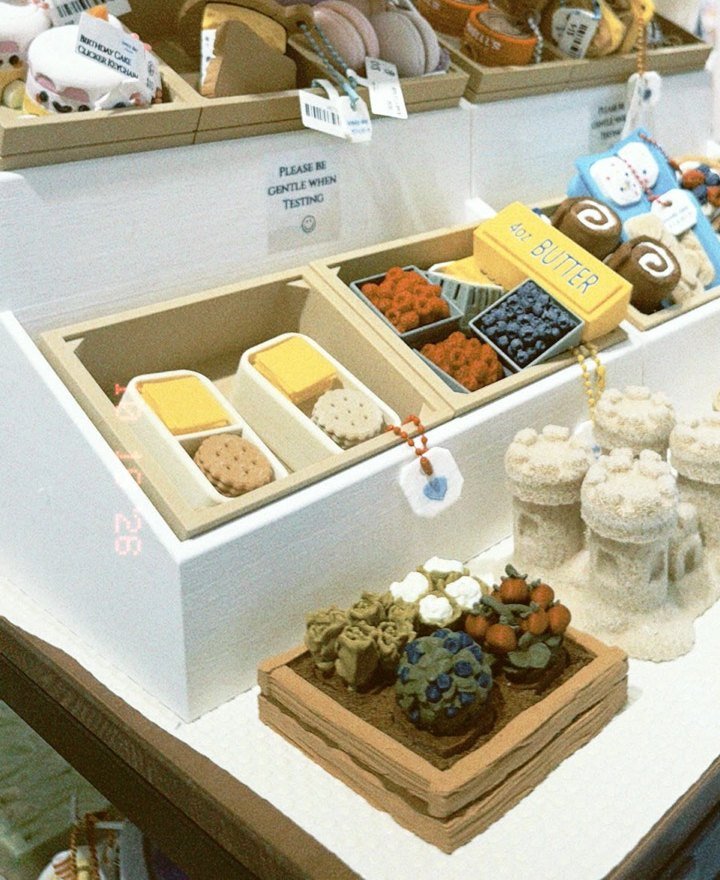
also, you're not totally on your own. in a staffed store, the team gets to know your products and talks about them with shoppers every day. your shelf just has to start the conversation. they can take it from there.
you're probably undercharging
we say this with love: most makers price like they're apologising.
it makes sense. at a market, the person deciding is standing right in front of you. you see them hesitate, and before they've said a word, you're already thinking about knocking a few dollars off. do that enough times and your prices end up matching your nerves, not your work.
a shelf is your chance to reset.
think about who walks into a store full of independent brands. they're not looking for the cheapest version of anything. they can get that anywhere. they're looking for the thing nobody else has, the gift that feels like someone actually thought about it. that's literally what you make.
and here's the part people don't expect: a price that's too low can give shoppers the ick. if it feels too cheap, they wonder what's wrong with it. a confident price is main character energy. it says, this is worth it.
so what should your price actually cover?
- your materials and packaging. every jar, label, bag and bit of ribbon.
- your time. at a rate you'd be happy to be paid. if a batch takes three hours, that's three hours of work.
- a little extra to grow. for better materials, new ideas, the next thing.
if that number makes you flinch, you're not alone. most makers have been quietly covering part of every sale out of their own pocket.
one more move: give people a few ways in. a small piece for a treat or a stocking stuffer, your signature piece, and something special for a big gift. that way nobody leaves empty-handed, and the small thing is often what brings them back for the big one.
and keep your price the same everywhere, markets, online, shelf. it's fair to the people who love you, and they can buy wherever they find you.
your price is part of your story. when it matches the work, it tells people you believe in what you make, and that makes it easier for them to believe in it too.
your label is doing more work than you think
good news first: you don't need custom boxes, a designer or a packaging budget. some of the most eye-catching shelves we've seen are kraft paper, a sticker and a bit of string, and they understood the assignment.
what matters is that the label answers the questions you'd answer if you were there.
what is it? "lavender bath soak", not just "lavender". if it could be mistaken for something else, clear it up. a solid perfume that looks like a lip balm will get treated like a lip balm.
who made it? your brand name, big enough to remember on the walk home.
what makes it yours? one line. "every print drawn by hand." "dyed in small batches." keep it short and true.
how much? easy to find. nobody likes hunting for a price tag, and a lot of people won't ask.
then add the thing only you know. the lavender you grow on your balcony. the neighbourhood your studio is in. the reason you started. the tiny detail that took you months to get right. that's the line people remember, and it's the line they repeat when they hand your product over as a gift.
speaking of gifts: a lot of shopping in a store like ours is for someone else, especially from november to december. so ask yourself, does this look ready to give? a ribbon, a sleeve or a little tag makes a huge difference. when it already looks like a present, it's an easy yes.
quick test before your first restock: hand your product to a friend who's never seen it. give them five seconds. then ask what it is, who made it and what makes it special. three for three? no notes. you're good.
an empty shelf looks like you ghosted
at a market, you watch your table empty out and you top it up as you go. on a shelf, a gap can sit there for days before you notice.
shoppers notice right away.
a full shelf says: this brand is here, people love it, and there's plenty to choose from. a half-empty one says something else. people wonder if you're leaving, or if the good stuff is already gone.
so stock it full. here's why it works:
- it gets seen. a shelf with real presence pulls people in from across the room.
- it gives people choice. more colours, scents, sizes and price points mean more chances someone finds the exact one they want, for them or for someone else.
- it's fun to dig through. a full shelf feels generous, and the longer someone browses, the more likely they are to pick something up.
- it looks like you're here to stay. and people trust brands that look established.
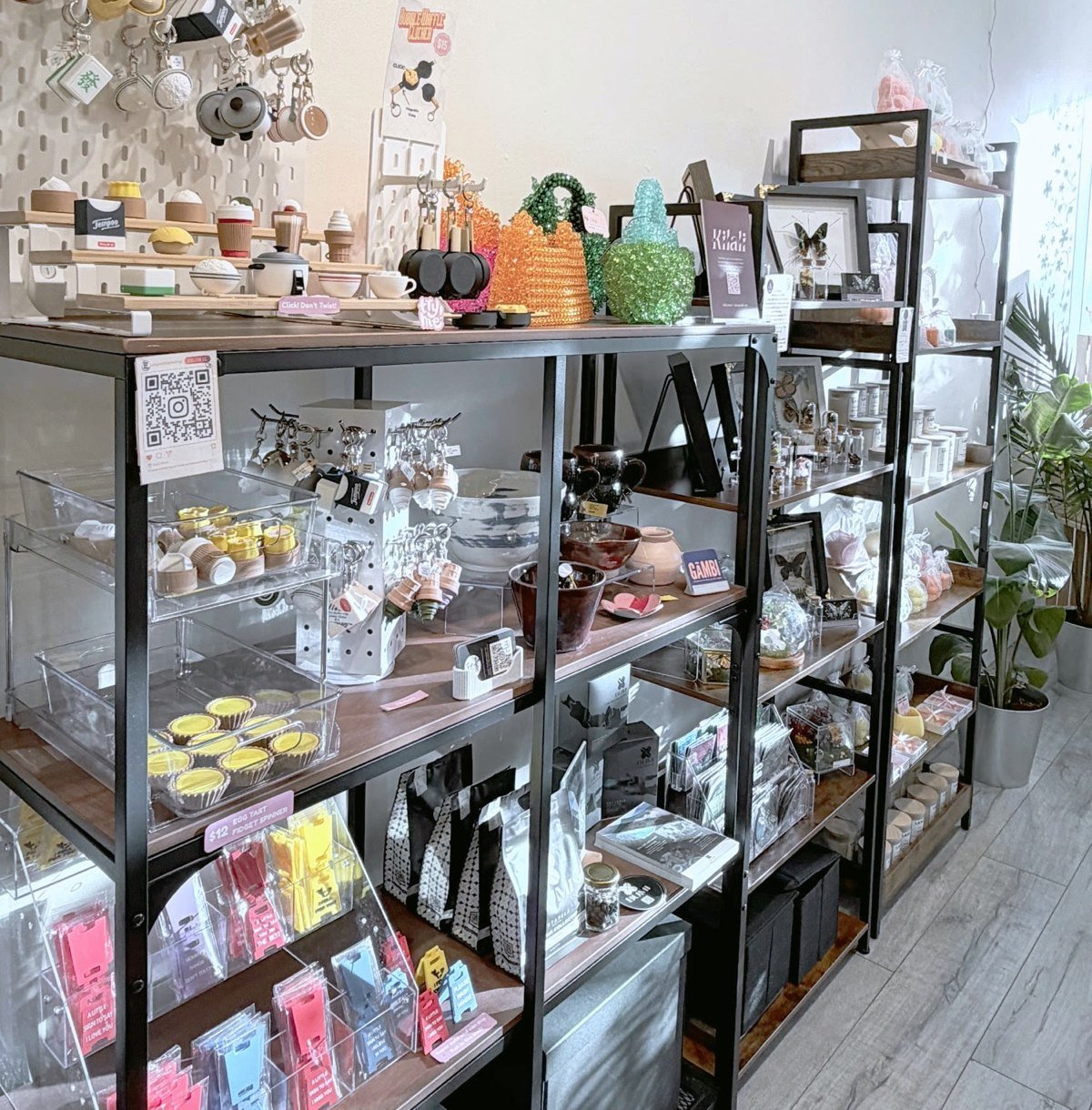
full doesn't mean chaos, though. group like with like. face every label forward so it's looking at the shopper, not the wall. use the back of the shelf, and a small riser if you need height. and give your signature piece the best spot, front and centre.
staying full is the actual flex. keep backup stock at home, especially of the things that move fastest. pick a restock day, every week or every other week, so it's a habit, not a panic. check your sales before you go, so you bring exactly what's needed. and get ready for the holidays early, because that's when a full shelf matters most.
oh, and take a photo of your shelf right after you restock. next time, match it. easiest system ever, and it's giving organised.
a shelf works while you sleep
this is the part nobody tells you: a shelf gives you time back.
a market is a whole day. pack the car, set up, stand for hours, smile through the slow bits, pack up, drive home, flop on the couch. it's fun. it's also a full day you're not making anything.
a shelf sells every day, whether you're in your studio, at your day job or asleep. someone finds you on a random tuesday afternoon. someone grabs a gift on their lunch break. none of it needs you there.
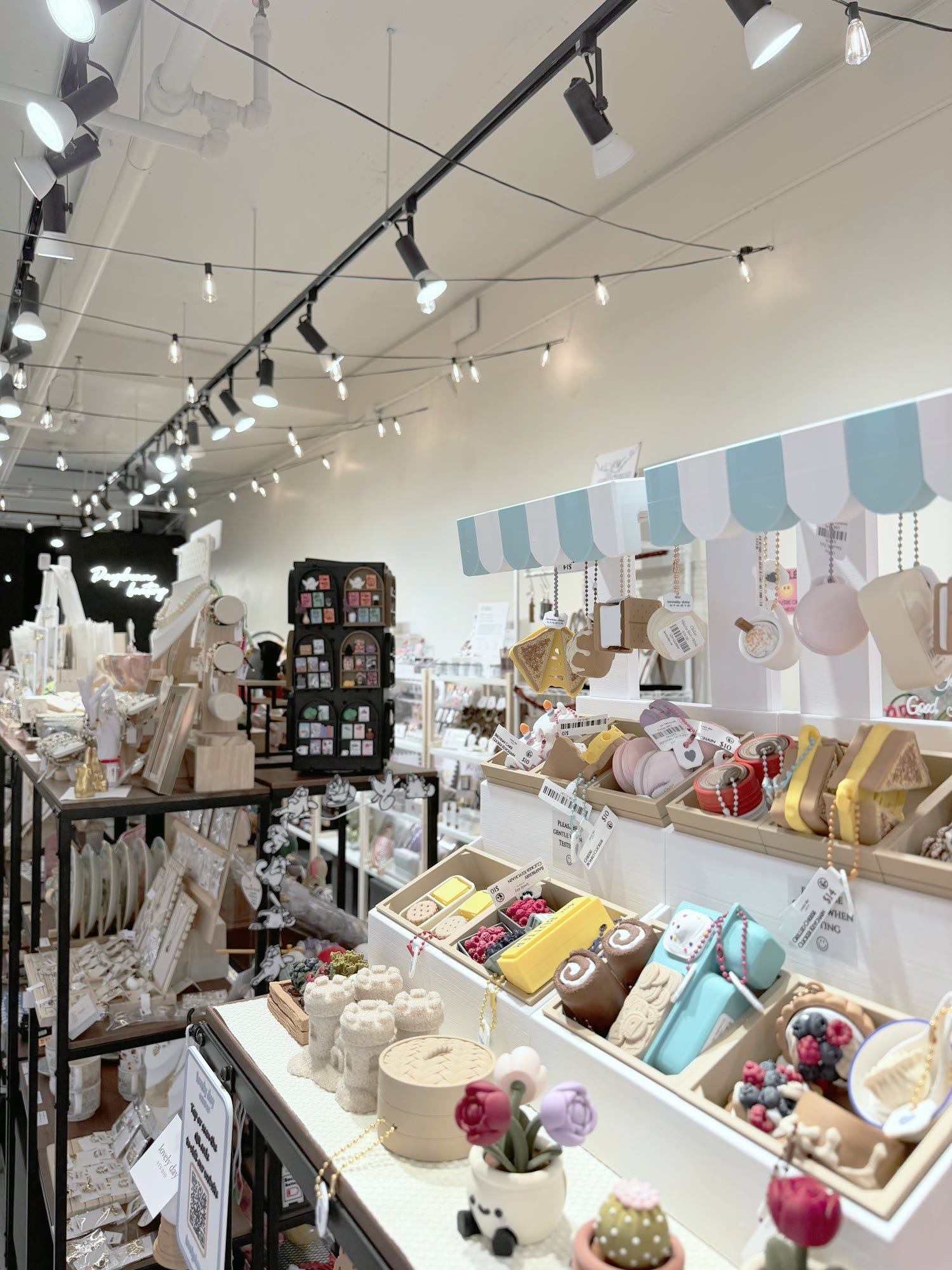
here's how that works with us.
you get your own shelf or display at Daydream Factory, in South Granville, one of Vancouver's most established shopping districts. we're open every day, 11 to 7. our team runs the floor: they greet people, answer questions, ring up sales, and because they actually get to know every brand on our shelves, they recommend your stuff to the people who'll love it.
you keep 100% of your sales. no commission taken from your product price. you can check how you're doing any time online through MVPOS, and payouts land twice a month. shelves start at $160 a month.
and you're in good company: 100 independent brands, everything made, designed or sourced by the people behind it. that's exactly why shoppers walk in.
what you get back:
- time to make, while your shelf does the selling.
- new people, who'd never have found you online or at a market.
- every day visibility, not just on market weekends.
- a real retail address. "find us at Daydream Factory on Granville" is a whole era.
one more thing: don't quit markets
a shelf doesn't mean breaking up with markets. they're a duo. markets are where people meet you and hear your story. your shelf is where they find you again the rest of the month, and where their friends find you for the first time. put your shelf on your market sign. tell your regulars. let them know where to find you between weekends.
so, are you ready?
lowkey, you've been ready for a while.
every brand on a shelf right now started somewhere. a market stall. a spare room. a late night with a glue gun and a big idea. you've already done the hard part. you made something people love.
a shelf is just how more people get to find it.
what actually happens in the first few seconds someone looks at your shelf, and how to make them stop.
ready for your first shelf?
we'd love to see what you make. you can apply online.
Apply to sell with us →